
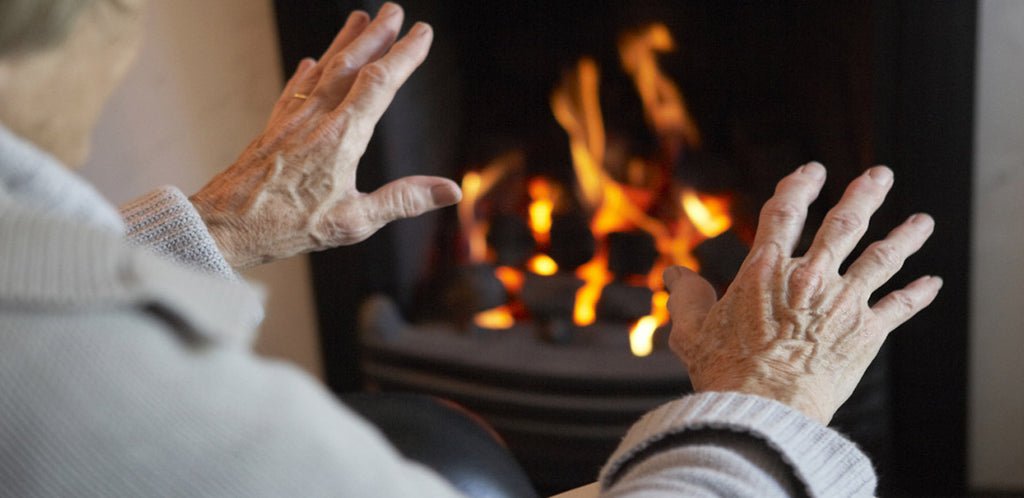
Winter brings colder temperatures, shorter days, and greater dependence on heating and electrical equipment. In many homes, offices, shops, hotels, and other buildings across Pakistan, people use heaters, gas appliances, electric devices, blankets, and other equipment to stay warm. While these products can make winter more comfortable, careless use can increase the risk of fire.
Winter fire safety is mainly about understanding common hazards and using heating and electrical equipment responsibly. A small mistake, such as placing a heater too close to curtains or using damaged electrical wiring, can create a serious problem.
Fire prevention should always come before emergency response. However, when a fire does occur, early detection is extremely important. A properly planned fire alarm system in Pakistan can provide an early warning and give occupants valuable time to respond according to their emergency plan.
Pakistan’s Building Code of Pakistan Fire Safety Provisions 2016 states that buildings should be constructed, equipped, maintained, and operated to provide a reasonable level of life safety and property protection from fire hazards. It also requires appropriate maintenance and testing records for fire protection and alarm systems.
Why Winter Can Increase Fire Risks
Winter itself does not automatically cause fires. The risk can increase because people use more heating and electrical equipment.
Common winter-related fire hazards include:
- Portable electric heaters
- Gas heating appliances
- Faulty electrical wiring
- Overloaded sockets
- Damaged extension cords
- Candles and open flames
- Cooking equipment
- Poorly maintained heating appliances
- Combustible materials placed near heat sources
- Unsafe electrical connections
The basic rule is simple: anything that produces heat should be treated carefully.
NFPA has highlighted electrical appliances and home electrical systems as important winter fire-safety concerns and has also published guidance covering home heating and carbon-monoxide risks associated with winter heating.
Portable Electric Heaters
Portable heaters are commonly used when temperatures fall.
They can become dangerous when they are placed too close to curtains, beds, furniture, clothing, paper, or other materials that can catch fire.
A safer approach is to:
- Keep heaters away from combustible materials.
- Place them on a stable surface.
- Keep children away from hot surfaces.
- Follow the manufacturer’s instructions.
- Check the power cord for visible damage.
- Avoid using damaged equipment.
- Turn the heater off when it is no longer needed.
- Do not cover a heater with clothing or other objects.
The manufacturer’s instructions should always take priority for the specific appliance.
Do Not Overload Electrical Sockets
Winter often means more electrical devices operating at the same time.
A room might have a heater, television, phone charger, computer, lights, and other equipment connected simultaneously. Overloading an electrical outlet or circuit can create excessive heat.
Warning signs can include:
- Hot plugs or sockets
- Burning smells
- Flickering lights
- Discolored outlets
- Sparks
- Frequently tripping breakers
- Damaged wires
If an electrical installation shows these warning signs, it should be inspected by a qualified professional.
Avoid attempting electrical repairs yourself if you do not have the appropriate training.
Be Careful With Extension Cords
Extension cords can be useful, but they should not become a permanent substitute for properly designed electrical installations.
A heater can draw significant electrical power, so using an unsuitable extension cord or power strip can create additional risk.
Before using electrical equipment, check that the equipment and its connection are appropriate for the electrical load and that there is no visible damage.
If you are unsure, ask a qualified electrician to assess the installation.
Gas Heating and Appliances
Gas appliances require careful attention because they can involve both fire and carbon-monoxide hazards.
Poor ventilation, damaged equipment, improper connections, or malfunctioning appliances can create serious safety problems.
Important precautions include:
- Have gas appliances checked by qualified professionals.
- Keep ventilation arrangements clear.
- Do not ignore unusual smells or appliance problems.
- Follow the manufacturer’s instructions.
- Keep combustible materials away from heating equipment.
- Make sure household members know the emergency procedure.
Carbon monoxide is particularly concerning because it is difficult for people to detect without an appropriate alarm. NFPA’s winter safety material specifically identifies carbon monoxide as a concern during colder months when heating or other fuel-burning equipment is used.
Never Block Ventilation
When temperatures fall, people may be tempted to close windows or ventilation openings completely.
However, fuel-burning appliances need appropriate ventilation according to their design and installation requirements.
Ventilation should never be modified casually.
If a heating appliance requires ventilation, follow the manufacturer’s requirements and have the installation checked by a qualified professional when necessary.
Keep Curtains and Furniture Away From Heaters
One of the easiest ways to reduce winter fire risk is to create sufficient separation between heat sources and combustible materials.
Items such as:
- Curtains
- Blankets
- Clothes
- Mattresses
- Sofas
- Paper
- Cardboard
- Plastic materials
should not be placed where they can become overheated.
A heater should have adequate clearance according to its manufacturer’s instructions.
Be Careful With Electric Blankets
Electric blankets can provide warmth during cold weather, but damaged or incorrectly used electrical products can create risks.
Before using one, inspect it for obvious damage and follow the manufacturer’s instructions.
Do not use electrical heating products if their cords, plugs, controls, or other components appear damaged.
Store them according to the manufacturer’s guidance and avoid folding or using them in ways that the manufacturer does not permit.
Candles and Open Flames
Candles can create a warm atmosphere during winter, but an unattended open flame can become a fire hazard.
If candles are used, keep them away from curtains, bedding, paper, clothing, and other combustible materials.
Never leave an open flame unattended.
Where possible, safer alternatives such as battery-operated lights can provide decorative lighting without an open flame.
Kitchen Fire Safety During Winter
Winter does not remove the everyday risks associated with cooking.
People may prepare more hot meals, tea, coffee, soups, and other foods during cold weather. Cooking equipment can become a fire hazard when left unattended or used incorrectly.
Good kitchen practices include:
- Keep cooking areas clean.
- Keep combustible items away from hot surfaces.
- Do not leave cooking unattended.
- Maintain cooking equipment properly.
- Keep emergency equipment accessible.
- Make sure smoke detection is appropriate for the area.
Commercial kitchens require additional fire-protection planning because cooking equipment and grease can create significant fire hazards.
Keep Flammable Materials Away From Heat
Winter storage can also create problems.
People may place clothes, blankets, boxes, paper, furniture, or other items close to heaters because the area is convenient.
This is unsafe.
Heat-producing equipment should have the required clearance from combustible materials. Storage areas should also be kept organized so that emergency routes and fire-protection equipment remain accessible.
Why Smoke Detection Matters
A fire can develop before people notice it.
Smoke detectors can provide early warning when smoke is detected. In larger buildings, fire detection may be part of a larger alarm system that includes detectors, manual call points, control panels, sounders, visual indicators, and other equipment.
A reliable fire alarm system in Pakistan can therefore play an important role in winter fire safety, particularly in buildings where many people may need to respond to an alarm.
Pakistan’s Building Code of Pakistan 2021 states that fire alarm systems are to be provided where required by the applicable Building Code of Pakistan Fire Safety Provisions 2016. It also identifies fire alarm systems and automatic fire detection systems among emergency power loads in applicable situations.
Fire Alarm Systems in Homes
A home fire alarm system can help alert occupants to a developing fire.
Smoke alarms should be installed in appropriate locations and maintained according to the manufacturer’s instructions and applicable requirements.
Residents should also understand what the alarm sounds like and what they should do if it activates.
A fire alarm is not a substitute for prevention. It is another layer of protection.
Fire Alarm Systems in Commercial Buildings
Businesses may have more complex fire risks because they can contain:
- Electrical equipment
- Offices
- Kitchens
- Storage areas
- Machinery
- Customers and employees
- Large amounts of combustible materials
A suitable detection and alarm arrangement should be designed according to the building’s occupancy, layout, risks, and applicable requirements.
Large buildings may use addressable or other sophisticated systems that help identify the location of an alarm or system fault.
Winter Fire Safety in Apartment Buildings
Apartment buildings require special attention because many households share the same structure.
A fire that starts in one apartment can potentially affect common areas or other occupants if fire and smoke are not properly controlled.
Residents should:
- Keep corridors clear.
- Avoid blocking stairways.
- Never disable fire alarms.
- Know the designated escape routes.
- Report damaged fire-safety equipment.
- Follow building emergency procedures.
- Keep heating equipment away from combustible materials.
Building management should also maintain common fire-protection systems and keep appropriate inspection records.
Winter Fire Safety in Offices
Offices may use heaters during colder periods, especially in rooms that are not adequately heated.
Employees should not place heaters near desks covered with paper, curtains, bags, clothing, or other combustible materials.
Electrical equipment should also be inspected for visible damage.
Office management should ensure that fire alarms, emergency lighting, exit routes, and other relevant safety systems are maintained.
Do Not Ignore Strange Smells or Sounds
Heating and electrical equipment can sometimes provide warning signs before a serious problem develops.
These may include:
- Burning smells
- Unusual buzzing
- Sparks
- Smoke
- Repeated circuit trips
- Unusual heat from a plug or appliance
- Damaged cables
Do not ignore these warning signs.
If equipment appears unsafe, stop using it when it is safe to do so and seek assistance from an appropriately qualified professional.
Keep Fire Exits Clear
Winter storage can sometimes result in additional blankets, boxes, clothing, heaters, or other belongings being placed in hallways.
This can interfere with evacuation.
Emergency exits, stairways, corridors, and other designated escape routes should remain clear.
Pakistan’s Building Code of Pakistan 2021 contains provisions concerning means of egress and emergency systems for applicable occupancies.
Fire Extinguishers and Winter Fire Safety
Portable fire extinguishers can provide an early line of defense against certain limited fires when the correct extinguisher is available and the person using it has been appropriately trained.
However, people should not put themselves at risk trying to fight a growing fire.
The first priority during a serious fire is to follow the building’s emergency procedure and get to safety.
Fire extinguishers should be selected, installed, inspected, and maintained according to applicable requirements and manufacturer instructions.
Regular Maintenance Before Winter
One of the best times to review fire safety is before heating equipment is used heavily.
Building owners and managers can check:
- Fire alarm panels
- Smoke detectors
- Heat detectors
- Manual call points
- Alarm sounders
- Emergency lighting
- Fire extinguishers
- Fire pumps
- Electrical systems
- Heating equipment
- Emergency exits
- Fire doors
- Backup power
The Pakistan fire-safety provisions place responsibilities on building owners, operators, lessees, and occupants and require records of maintenance, inspection, and testing of relevant fire-protection and alarm systems.
The Importance of Professional Inspection
Some fire-safety problems are not obvious to ordinary occupants.
For example, a fire alarm may appear normal while a detector, battery, wiring connection, notification device, or other component has developed a fault.
Professional inspection can help identify problems before an emergency occurs.
Fire alarm and fire-protection systems should be maintained according to their technical requirements, manufacturer instructions, applicable codes, and the needs of the building.
What to Do If a Fire Starts
If you discover a fire, do not delay unnecessarily.
Alert other people and follow the building’s emergency procedure. Activate the fire alarm where an alarm system and manual activation point are provided, and contact the appropriate emergency services.
Evacuate using the designated route.
Do not return to collect belongings.
If smoke is present, follow the building’s established evacuation guidance and instructions from emergency personnel.
The exact response can vary depending on the building and situation, so residents and employees should know their local emergency plan before an incident occurs.
A Simple Winter Fire Safety Checklist
Before winter heating becomes routine, check the following:
- Heating appliances are in good condition.
- Electrical cords are not visibly damaged.
- Sockets are not showing signs of overheating.
- Combustible materials are kept away from heat sources.
- Fire alarms are operational.
- Smoke detectors are maintained.
- Emergency exits are clear.
- Fire doors are not blocked or damaged.
- Fire extinguishers are accessible and maintained.
- Gas appliances receive appropriate professional attention.
- Ventilation requirements are not blocked.
- Staff and residents understand emergency procedures.
- Fire-protection maintenance records are kept where required.
This simple checklist can help identify common problems before they become emergencies.
Winter Fire Safety for High-Rise Buildings
High-rise buildings require additional planning because evacuation can take longer and smoke movement can be complicated.
A high-rise fire-safety strategy may include:
- Fire detection
- Alarm notification
- Protected stairways
- Smoke control
- Fire doors
- Emergency lighting
- Emergency communication
- Fire pumps
- Standpipe systems
- Emergency power
- Regular drills and training
The Building Code of Pakistan 2021 contains provisions covering smoke control, fire alarms, means of egress, emergency power, and fire pumps in applicable building situations.
Why Prevention Is Better Than Emergency Response
A fire alarm can warn people after a fire begins, but preventing the fire in the first place is even more important.
Simple habits can make a significant difference:
- Use appliances correctly.
- Maintain electrical systems.
- Keep heating equipment clear of combustible materials.
- Do not ignore damaged equipment.
- Keep emergency exits clear.
- Maintain fire-protection systems.
- Train occupants.
- Take alarms seriously.
Fire safety works best when prevention, detection, notification, evacuation, and professional maintenance are treated as parts of one overall safety plan.
Final Thoughts
Winter can make homes and workplaces more comfortable, but increased use of heaters, electrical appliances, gas equipment, and other heat-producing devices can introduce additional fire hazards.
The safest approach is to use equipment according to manufacturer instructions, maintain electrical and heating systems, keep combustible materials away from heat sources, and ensure that fire alarms and other protection systems are regularly inspected.
For larger buildings, fire safety requires a coordinated approach involving detection, alarms, emergency power, evacuation routes, smoke control, firefighting equipment, and trained occupants.
A properly designed fire alarm system in Pakistan can provide an important early warning layer, but it should work alongside other prevention and protection measures.
Pakistan Engineering Council maintains the Building Code of Pakistan 2021 and the Building Code of Pakistan Fire Safety Provisions 2016 among its published building-code resources.
For information about fire alarm installation, maintenance, and related fire-safety solutions, visit Flame Defender.
Frequently Asked Questions
1. What are the most common winter fire hazards?
Common winter hazards include heaters, damaged electrical equipment, overloaded electrical circuits, gas appliances, candles, cooking equipment, and combustible materials placed too close to heat sources.
2. How can I make a heater safer to use?
Place the heater on a stable surface, maintain the clearance specified by the manufacturer, keep combustible materials away, inspect it for visible damage, and switch it off when it is not needed. Never cover a heater with clothing or other objects.
3. Why is a fire alarm system important during winter?
Winter can involve increased use of heating and electrical equipment. A properly designed fire alarm system can detect signs of fire and provide an early warning, allowing occupants to follow their emergency evacuation procedures.
4. Should fire alarms be maintained regularly?
Yes. Fire alarm systems should be inspected, tested, and maintained according to applicable requirements, manufacturer instructions, and the needs of the building. Pakistan’s fire-safety provisions also address maintenance, inspection, testing, and record-keeping for fire protection and alarm systems.
5. What should I do if a fire starts?
Alert people nearby, activate the building’s fire alarm where appropriate, contact emergency services, and evacuate using the designated route. Do not delay evacuation to collect belongings or attempt to fight a fire that is beyond your ability to handle safely.